
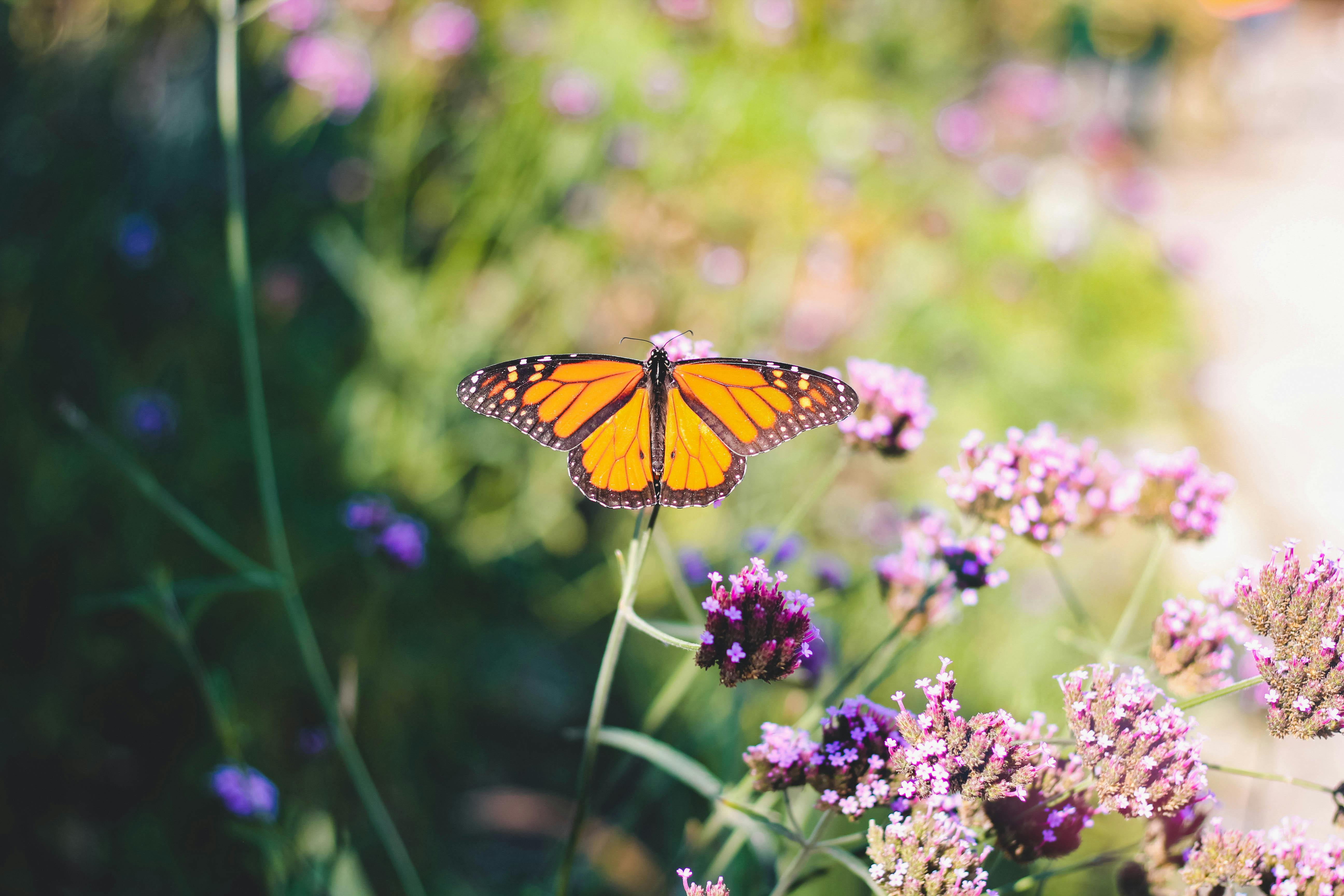
Butterfly gardens transform ordinary outdoor spaces into vibrant ecosystems where nature’s most delicate dancers flourish. These enchanting sanctuaries provide visual splendor while supporting crucial pollinator populations and creating peaceful retreats for homeowners. Do you love butterflies and dream of bringing these magical creatures to your garden? Then this comprehensive guide is exactly what you’ve been searching for!
The cultural and spiritual significance of butterfly gardens
Butterfly gardening represents the art of creating harmonious habitats that celebrate transformation and renewal. This ancient practice connects us to nature’s most profound cycles, where metamorphosis occurs daily before our eyes.
Throughout history, cultures worldwide have recognized butterflies as powerful symbols of spiritual transformation. These delicate creatures embody the soul’s journey through life, death, and rebirth, making butterfly gardens sacred spaces of contemplation and hope. When we observe butterflies dancing among flowers, we witness the perfect harmony between beauty and purpose, where cooperation in nature creates stunning displays while serving essential ecological functions.

Many gardeners find solace in the psychological symbolism butterflies represent—personal growth, freedom, and the courage to embrace change. This makes butterfly gardens therapeutic spaces that nurture both wildlife and human wellbeing. Whether you call them pollinator gardens, nectar gardens, or wildlife habitat gardens, these sanctuaries serve as living reminders of nature’s resilience and beauty.
The timeless saying “A garden is a butterfly’s canvas, painted with nectar and dreams” captures the essence of these magical spaces where transformation becomes art.
Essential Plants and Butterfly biology
Essential Plants and Butterfly Biology
Understanding butterfly behavior enhances garden success significantly. When multiple butterflies gather, they create what naturalists call a “flutter” or “kaleidoscope”—terms that perfectly capture their ethereal beauty. The remarkable process of metamorphosis transforms caterpillars into winged jewels, though most adult butterflies live only 2-4 weeks, with exceptions like monarchs surviving up to 8 months during migration.

As darkness falls, butterflies seek shelter in trees, shrubs, and tall grasses, resting with folded wings until dawn breaks. This natural rhythm influences garden design, as providing diverse plant heights creates essential roosting sites.
Lantana, buddleia, and pentas rank among the most attractive flowers for butterflies, offering abundant nectar and vibrant colors these pollinators find irresistible. Native plants form the foundation of successful pollinator gardens, supporting both adult butterflies and their caterpillars throughout their lifecycle.

coneflower (Echinacea)
Coneflowers provide sturdy landing platforms with extended blooming periods, while black-eyed Susans attract numerous species while supporting beneficial insects. Milkweed deserves special mention as both host and nectar plant for monarchs, making it indispensable for butterfly gardens.
butterfly bush (Buddleia)
The butterfly bush (buddleia) earned its common name through exceptional butterfly attraction, thriving in full sun with well-draining soil and blooming from summer through fall. Lavender proves equally valuable, offering fragrant purple spikes rich in nectar that butterflies adore.

The term “butterfly plant” encompasses any nectar-rich flowering species, though gardeners often use it specifically for buddleia due to its exceptional attractiveness to these pollinators.

Creating a wildlife habitat
Expanding butterfly gardens into comprehensive wildlife habitats welcomes additional pollinators and beneficial creatures, creating interconnected ecosystems that support biodiversity.

Attracting hummingbirds
Hummingbirds gravitate toward trumpet vine, bee balm, and cardinal flower, seeking tubular blooms that accommodate their specialized feeding habits. For hanging displays, fuchsias and petunias create spectacular attractions that draw these aerial acrobats consistently.
Successful hummingbird gardens require red, tubular flowers positioned at varying heights, multiple feeding stations, water features for drinking and bathing, and dense shrubs providing secure nesting sites. This creates a complete habitat supporting these remarkable birds throughout their lifecycle.

Supporting native bees
Installing bee houses supports native solitary bees, which are exceptional pollinators often overlooked in favor of honeybees. Position these structures facing southeast, 6-8 feet high, protected from rain while receiving beneficial morning sunlight.
Native bees require different nesting sites than social species, making bee houses valuable additions to pollinator gardens.

Natural pest control through bat houses
Bat houses provide roosting sites for these remarkable mammals, which consume thousands of insects nightly, including mosquitoes and agricultural pests. This natural pest control eliminates the need for harmful chemicals while supporting ecosystem balance.
Optimal bat house placement requires mounting 12-20 feet high, facing southeast to southwest, receiving 6-8 hours of direct sunlight daily. Mount on poles or buildings rather than trees for superior temperature regulation.
While bat houses require minimal maintenance, occasional guano accumulation below represents the only minor inconvenience—benefits far outweigh any cleaning requirements. Attracting bats to new houses requires patience, as colonies may take 1-2 years to establish. Ensure proper placement, ventilation, and nearby water sources for optimal success.
Professional garden implementation
Creating thriving butterfly gardens requires understanding local ecosystems, soil conditions, and plant combinations supporting year-round pollinator activity. Professional installation considers sun exposure, drainage patterns, and succession planting for continuous blooms throughout growing seasons.
Native plant selection varies significantly by region, requiring expertise in local flora and butterfly species preferences. Proper site preparation, plant spacing, and seasonal maintenance ensure flourishing pollinator populations while creating visually stunning landscapes.

Transform Your Space Today
Ready to create your dream butterfly garden? At Painted Fern Gardening, we specialize in designing, installing, and maintaining stunning pollinator gardens that attract butterflies, hummingbirds, and beneficial insects. Our expert team understands the intricate relationships between plants and pollinators, ensuring your garden becomes a thriving wildlife habitat.

Contact us today to schedule your consultation and begin your journey toward creating an enchanting butterfly garden that will bring joy, beauty, and ecological benefits to your outdoor space for years to come.
Ready to transform your landscape into a thriving butterfly garden? Contact Painted Fern Gardening at (603) 580-3840 or visit paintedferngardening.com
Call us for a consultation today!
